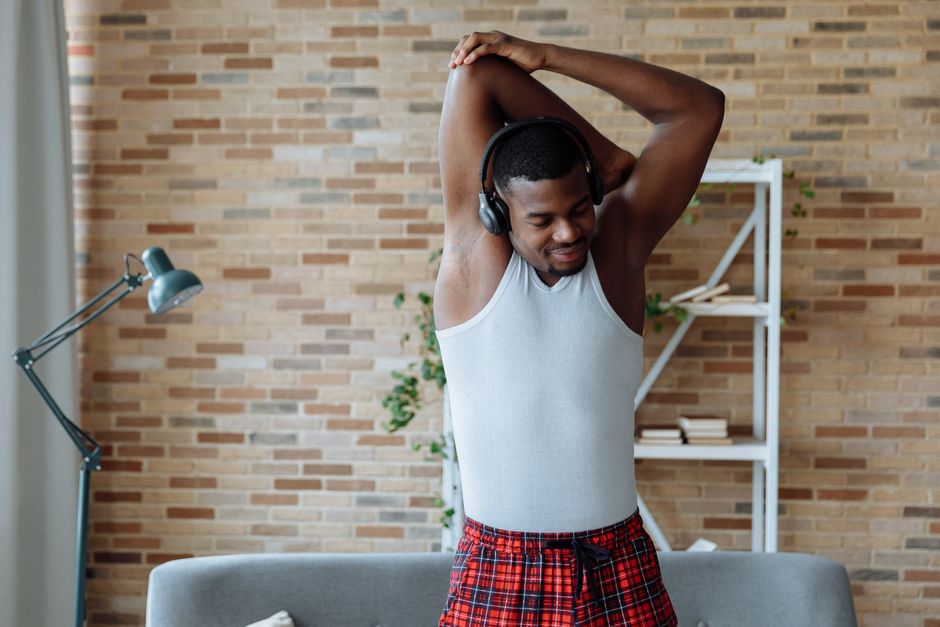
Walk into any commercial gym in 2026 and you will be greeted by rows of machines, the clang of weights, and membership tiers starting at $15 a month. Planet Fitness alone operates over 2,700 locations, and Anytime Fitness boasts 5,800 gyms worldwide with 24/7 access. The fitness industry has convinced millions that wellness requires a keycard, a subscription, or a piece of wearable tech. But true fitness, the kind that sustains a life of service and purpose, begins much closer to home. It begins on the floor of your living room, in a quiet corner of your bedroom, or on a patch of grass in the backyard. Daily stretching is the foundational practice that bridges the gap between a sedentary life and a body capable of full, joyful movement. It costs nothing, requires no equipment, and delivers benefits that ripple through every dimension of human health: physical, mental, and spiritual.
Table of Contents
- Why Stretching Is the Missing Link in Your Fitness Routine
- Physical Fitness: Reclaiming Mobility and Preventing Injury
- Mental Fitness: Calming the Mind Through the Body
- Spiritual Fitness: Honoring the Body as a Temple
- How to Start Your Daily Stretching Practice in 2026
- Frequently Asked Questions About Stretching and Fitness
Why Stretching Is the Missing Link in Your Fitness Routine
For many people, the word fitness conjures images of crowded weight floors and intimidating group classes. Planet Fitness built an entire brand around the “Judgement Free Zone,” a direct acknowledgment that gym environments make vast numbers of people uncomfortable. Stretching offers a genuine alternative: a private, self-paced practice that meets you exactly where you are. There is no mirror, no comparison, no membership fee. Just you and your body, working together in the quiet of your own space.

The 2018 Physical Activity Guidelines for Americans recommend 150 to 300 minutes of moderate-intensity aerobic activity per week. That target can feel overwhelming for someone starting from zero. A ten-minute daily stretching practice covers 70 minutes of that weekly goal, leaving room for a walk, a bike ride, or simply more stretching as capacity builds. It bridges the activity gap without requiring a gym pass or a complicated workout plan.
Stretching is also the prerequisite that many fitness programs skip. Tight hamstrings compromise squat form. Stiff shoulders limit overhead presses. A locked-up lower back turns a simple deadlift into a liability. When stretching becomes the foundation rather than an afterthought, every other form of exercise becomes safer and more effective. For the complete beginner, the person who has never set foot in a gym or opened a workout app, stretching is the on-ramp that the fitness industry forgot to build.
Physical Fitness: Reclaiming Mobility and Preventing Injury
The Science of Flexibility and Myokines
When you stretch a muscle beyond its resting length, you do more than just loosen tight tissue. The mechanical tension triggers the release of myokines, a class of anti-inflammatory proteins produced by muscle fibers during contraction and elongation. Research cited in the broader definition of physical fitness points to myokines as key players in reducing systemic inflammation, improving metabolic health, and even supporting brain function. Stretching, in other words, is a biochemical signal that tells the body to repair, adapt, and thrive.
This internal response directly supports the classic definition of fitness: the ability to perform daily tasks with ease and without undue fatigue. Bending to pick up a child, reaching into a high cabinet, twisting to check a blind spot while driving: these movements depend on joint mobility and muscle elasticity. Stretching keeps the hips, shoulders, and spine functional for the real work of living. It is also a cost-effective form of injury prevention. Anytime Fitness locations in some areas offer on-site physical therapy through partnerships like Viverant, a premium service for those who can afford it. A consistent stretching practice can reduce the need for such interventions by addressing muscle imbalances and joint restrictions before they become injuries.

A Simple 5-Minute Daily Mobility Routine
Start with the neck and shoulders. Sit or stand tall and slowly drop your right ear toward your right shoulder, holding for three deep breaths. Repeat on the left. Then interlace your fingers behind your back, straighten your arms, and lift your chest. This opens the front of the shoulders, counteracting hours of screen time and desk work.
Move to the hip flexors. Kneel on one knee with the opposite foot planted in front, then gently press your hips forward until you feel a stretch across the front of the kneeling hip. Hold for five breaths and switch sides. Tight hip flexors from prolonged sitting pull the pelvis forward and contribute to lower back pain.
Finish with the hamstrings and lower back. Lie on your back, pull one knee toward your chest, and hold. Then extend the leg toward the ceiling, grasping behind the thigh or calf. This area is the number one injury zone for adults over thirty. Five minutes of daily attention here pays dividends in pain-free movement. Consistency matters more than duration. Five minutes every day rewires the neuromuscular system faster than thirty minutes once a week.
Mental Fitness: Calming the Mind Through the Body
The Stress-Response Reset
Forward folds, gentle twists, and slow, deliberate breathing activate the vagus nerve, the longest cranial nerve in the body and the main highway of the parasympathetic nervous system. When the vagus nerve fires, heart rate drops, blood pressure decreases, and cortisol levels fall. A simple seated forward fold, held for two minutes with steady breathing, can shift the body from fight-or-flight to rest-and-digest.
This physiological reset requires no screen, no subscription, and no software update. Apple Fitness+ offers guided meditations and workout videos, but the app carries a 2.9-star rating on the App Store, with users reporting freezes on Apple TV and an inability to resume workouts after interruptions. A stretching practice has no bugs, no buffering, and no monthly charge. It is a daily mental pause in a culture that glorifies high-intensity everything. The quiet of a stretch session creates space for the mind to settle, and that settling is its own form of fitness.
Building Discipline Without the Gym Pressure
Planet Fitness markets itself as a Judgement Free Zone, a place where people of all fitness levels can feel welcome. Stretching at home takes that principle to its logical conclusion. There is no one watching, no one comparing, no unspoken competition. The only standard is showing up.
Each completed session, however brief, builds self-efficacy: the quiet confidence that you can do what you set out to do. That confidence compounds over weeks and months, spilling into other areas of life. Mental fitness is not just the absence of anxiety; it is the presence of resilience, focus, and emotional regulation. Stretching cultivates all three.
Use the five or ten minutes as a mindfulness anchor. Pay attention to the sensation of muscle lengthening, the rhythm of breath, the subtle release of tension. This is meditation in motion, a practice that prepares the mind for prayer and reflection. The body becomes a doorway to stillness, and stillness is where spiritual fitness takes root.
Spiritual Fitness: Honoring the Body as a Temple
Stewardship Over Performance
Commercial gym marketing sells a vision of fitness built on appearance: leaner waists, broader shoulders, visible abs. That vision is not inherently wrong, but it is incomplete. A body maintained solely for vanity becomes an idol, and an idol always demands more than it gives. Spiritual fitness reframes the goal. The body is not a project to perfect but a gift to steward. Keeping it mobile, strong, and pain-free is an act of service: to God, to family, and to the community that depends on your presence and participation.
Daily stretching fits naturally into a life of spiritual discipline. Just as morning prayer or scripture reading anchors the soul, a brief movement practice anchors the body. Both are small, consistent acts of devotion. Neither requires a dramatic performance. Both build a foundation that holds steady when life gets hard. The danger of idolizing fitness is real, especially in a culture saturated with gym brands, influencer workouts, and before-and-after photos. Stretching, by its very nature, resists that idolatry. It is humble, slow, and unimpressive to watch. It is care, not conquest.
Creating a Sacred Space for Movement
Set aside a corner of your home for this practice. It does not need to be large or elaborately decorated. A mat, a cushion, and perhaps a candle are enough. Play worship music or sit in silence. The goal is to create an atmosphere that signals to your mind and spirit: this time is set apart.
Try a simple stretch-and-pray routine. As you stretch your neck, pray for clarity of thought. As you open your hips, pray for the willingness to move forward in faith. As you fold forward over your legs, pray for humility and surrender. One stretch, one prayer request. The body and spirit work together, each reinforcing the other.
Gratitude for mobility is a spiritual discipline often overlooked in the fitness world. The ability to stand, bend, reach, and walk is not guaranteed. Thanking God for a functioning body, even one with aches and limitations, shifts the focus from what the body looks like to what the body can do. That gratitude is a form of worship, and it transforms a simple stretch into an offering.
How to Start Your Daily Stretching Practice in 2026
No equipment is required. No Apple Watch, no gym bag, no membership card. A small patch of floor and a few minutes are the only prerequisites. This simplicity addresses a major gap in the fitness landscape, where home workout alternatives are often buried under paid subscriptions and expensive gear.
Begin with a ten-day challenge. On days one through three, commit to five minutes of stretching. Focus on the areas that feel tightest: neck, shoulders, hips, or lower back. On days four through seven, extend the session to ten minutes and add one new stretch. On days eight through ten, layer in prayer or meditation. By the end of ten days, the habit will feel less like a chore and more like a natural rhythm.
Track your practice with a simple journal or checklist rather than an app. Write down the date, the stretches you performed, and one word describing how you felt afterward. This analog approach avoids the frustration of buggy fitness apps and keeps the focus on the experience rather than the data. A stainless steel water bottle on the mat serves as a quiet reminder to hydrate, and a comfortable pair of slip-on shoes by the door makes it easy to transition from stretching to a morning walk.
Ten minutes of daily stretching covers 70 minutes of the recommended 150-minute weekly activity target. The remaining 80 minutes can be filled with walking, gardening, playing with children, or any movement that brings joy. The goal is not perfection but consistency, a rhythm of care that honors the body without turning fitness into an obsession.
Frequently Asked Questions About Stretching and Fitness
How long should I stretch each day? Five to ten minutes is sufficient for general wellness and mobility maintenance. Those working toward deeper flexibility, such as achieving a full split or resolving chronic tightness, may benefit from fifteen to twenty minutes.
Can stretching replace my gym workout? Stretching alone does not build cardiovascular endurance or significant muscle strength. It is the perfect complement to any routine, especially for beginners building the confidence to try other forms of exercise.
What is the best time of day to stretch? Morning stretching wakes up the body and prepares it for the day ahead. Evening stretching releases accumulated tension and signals the nervous system to wind down. Both are valid; choose the time that fits your schedule.
Is stretching safe for seniors or those with injuries? Yes, with appropriate modifications. Move slowly, avoid bouncing, and never push into pain. Anyone with a specific injury or medical condition should consult a doctor before beginning a new practice.
How does stretching compare to the Planet Fitness Summer Pass? The Summer Pass offers free gym access for teens ages fourteen to nineteen through August 31. Stretching is free year-round for all ages, requires no sign-up, and is available twenty-four hours a day in your own home. It is a permanent practice, not a temporary promotion.
Leave a Reply