
Choosing faith based fitness apparel is about more than finding a shirt with a message. Your gear needs to feel good through real movement, hold up to regular wear, and reflect what matters to you, without getting in the way of your training.
The best pieces support your routine and your personal sense of comfort. They move with you from warm-up to workout, from the gym to the rest of your day. And when faith is part of your life, what you wear can express it with quiet confidence.
Here’s what to look for when choosing fitness apparel you’ll be glad to wear again and again.
1. Start With How You Actually Train
Your favorite workout should shape what you buy. A running shirt, a pair of leggings for mobility work, and shorts for a warm-weather session all have different jobs.
Think about the movements and conditions your clothes need to handle. Do you run outdoors, move between machines, practice yoga, or train in a warm gym? Do you want a close fit or more room? Will you wear the same pieces for errands or travel after your workout?
Use those answers to guide your choices. A comfortable fit for your own routine is more useful than buying a style simply because it looks athletic online.
Explore men’s performance tops, women’s performance tops, and performance bottoms to compare options for different training preferences.
2. Look for Moisture Management, Not Just Buzzwords
Sweat is part of movement. A good training piece helps you stay more comfortable while you work.
Check the product details for moisture-wicking or quick-drying claims, and read the fabric label when it’s available. Polyester and nylon are common in performance clothing because they tend to dry faster than cotton. Cotton can feel soft for everyday wear, but it absorbs moisture and may feel heavy when you sweat.
“Moisture-wicking” can mean different things from brand to brand. If a company publishes test information, look for specific methods rather than relying on a vague promise. For example, the AATCC TM195 test method evaluates liquid moisture-management properties in textile fabrics.
Breathability also matters, but it isn’t the same as moisture wicking. A fabric may move sweat without feeling airy, so consider both the material and the way the garment feels against your skin.
3. Check Fit Through Movement
A piece can look right on a hanger and still feel wrong once you start moving. When possible, try it on and test a few motions you actually use: squat, lunge, hinge, reach overhead, and sit.
Notice what happens. Does the waistband stay in place? Does the shirt ride up? Do the shoulders restrict your reach? Does the fabric pull or bunch when you bend? A secure fit should move with you without digging in or feeling overly tight.
For fitted bottoms, check the stretch and recovery. The garment should flex with you and return to shape, not stay stretched around the knees or waist. If shopping online, read the size chart and review the return information before ordering.
4. Make Coverage and Modesty Personal
There’s no single right way to dress for training. Some people prefer fitted shorts or leggings; others feel best in longer shorts, a relaxed tee, or a layer over a fitted base. Your comfort matters.
For leggings and other close-fitting bottoms, don’t rely on “squat-proof” as a guarantee. There’s no universal consumer standard for that term. If you can try a piece on, check the fabric in bright light and test a deep squat and lunge. Look for coverage from the front, side, and back. If you’re buying online, search the product page for fabric details and customer feedback, and consider the brand’s return policy.
A practical layering option can also give you more choice. Pair fitted performance bottoms with a longer shirt, or choose shorts with a more relaxed silhouette. For tops, consider neckline, length, and how the fabric shifts during overhead movement. Modesty is personal; your training gear should support the level of coverage that feels right to you.
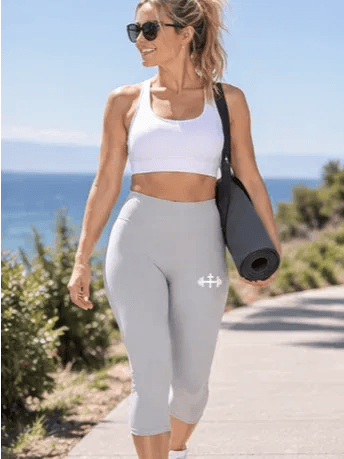
5. Pay Attention to Seams and Chafing
A small seam can make a big difference over a long workout. Check the inner thighs, underarms, waistband, and other places where fabric meets skin. Flat or smooth seams can feel more comfortable than thick seams that rub with repeated movement. Tags, rough edges, and fabric that shifts out of place can also become distractions.
Fit is part of the equation. A garment that rides up or bunches may create friction, even if its fabric feels soft at first. For longer sessions, try a piece at home before making it your go-to. The REI guide to managing chafing also highlights the value of properly fitting clothing and smooth seam construction.
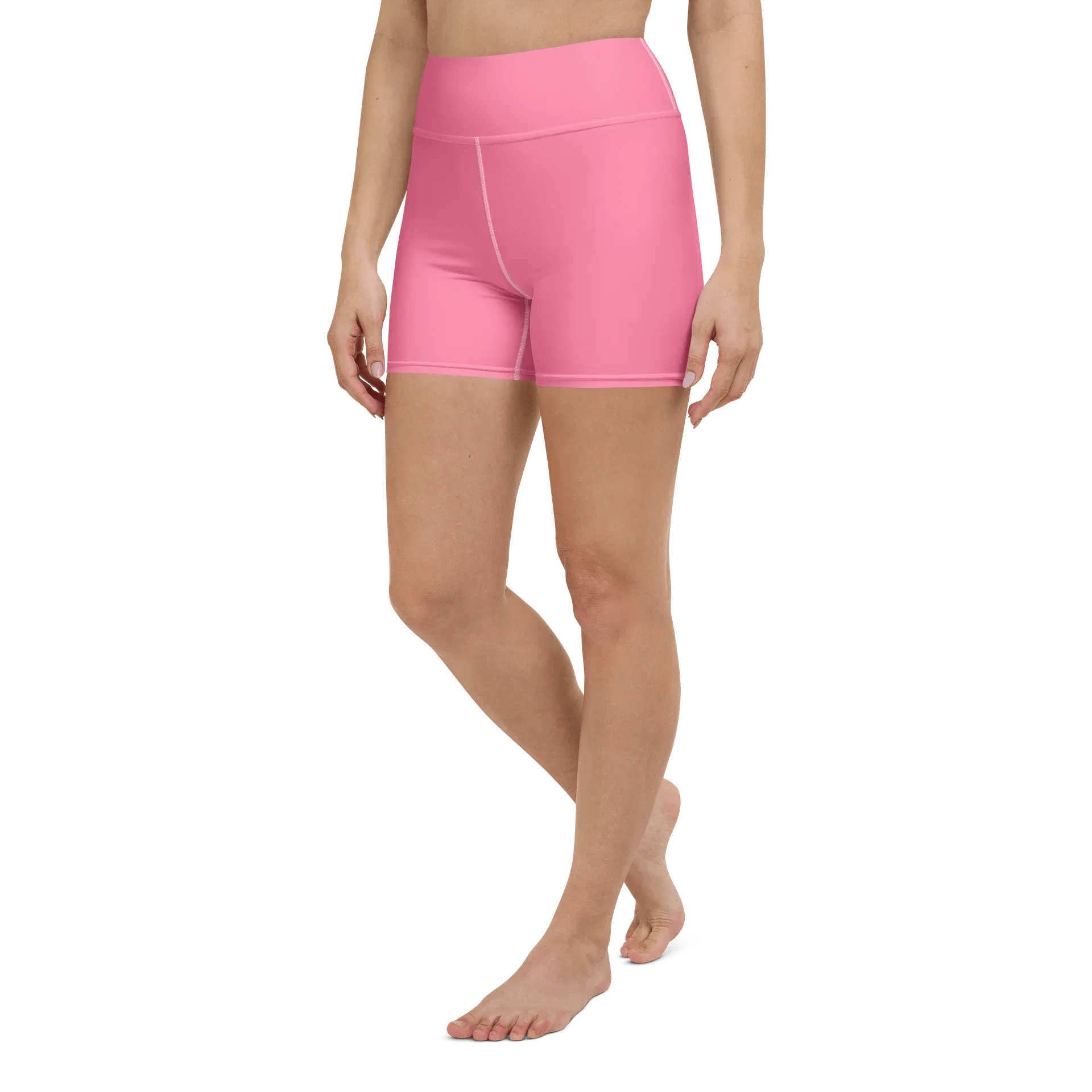
6. Choose Durability for Your Routine
Frequent training puts repeat stress on a few areas: inner thighs, knees, seat, waistbands, pockets, and underarms. Check that stitching looks secure and that high-wear sections don’t feel flimsy. If a brand shares test information about abrasion, pilling, or wash durability, compare the details and conditions, not just a bold number.
Care affects how long your gear stays comfortable, too. Follow the garment’s care label. In general, washing performance pieces promptly after sweaty workouts, using a gentle cycle, and avoiding high heat can help you care for them well. Fabric softener may affect moisture performance in some technical fabrics, so check the care instructions before using it.
A few dependable pieces you reach for often are more useful than a crowded drawer of gear that never feels quite right.
7. Look for Versatility Beyond the Gym
Versatile fitness apparel fits naturally into the rest of your day. A performance tee can work for a training session, a walk, or a travel day. Relaxed joggers can be a comfortable layer for warm-ups and everyday plans.
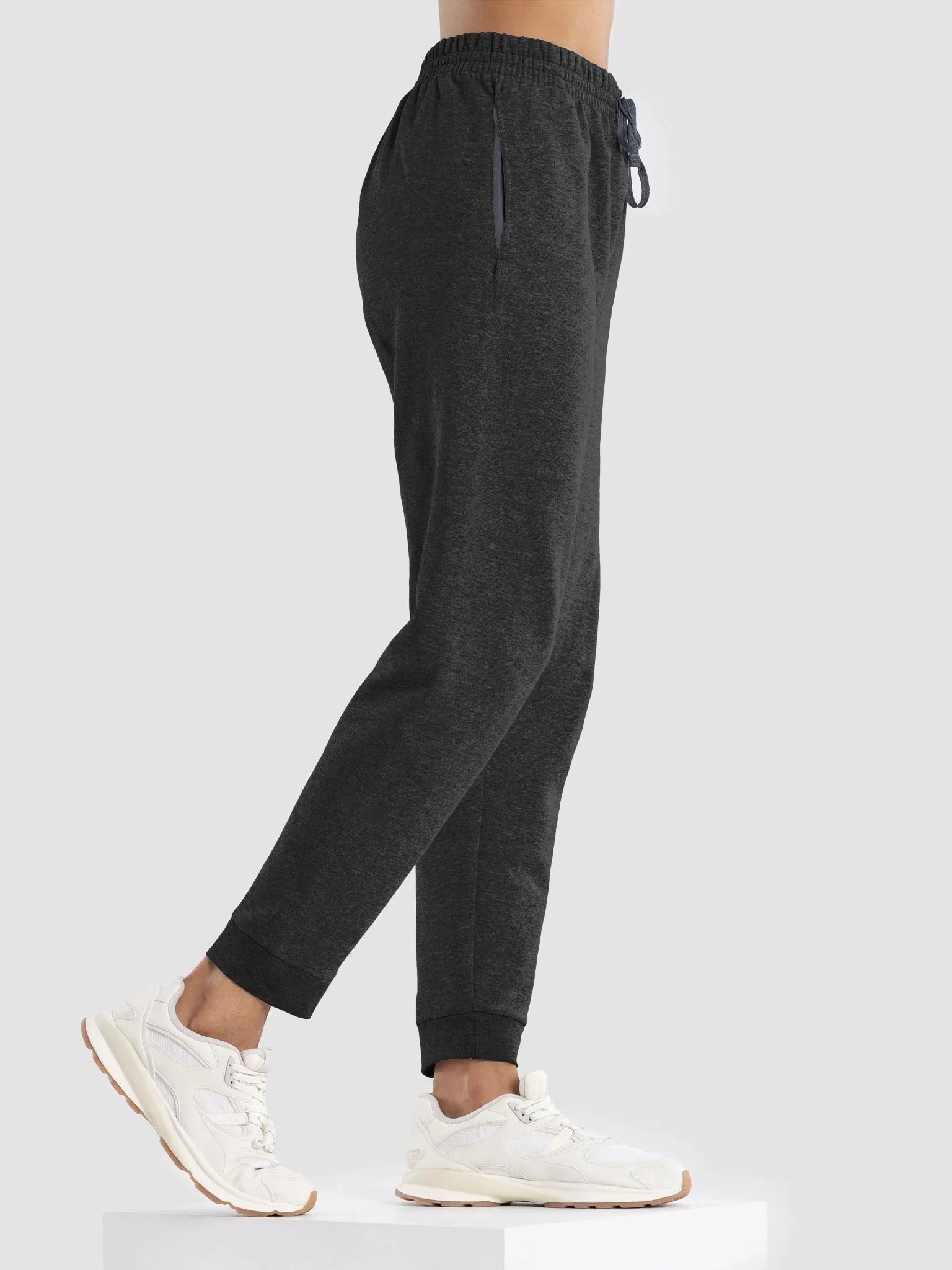
For gym-to-life wear, consider whether the color, cut, and level of branding feel easy to pair with what you already own. Some shoppers want a bold graphic. Others prefer a small, understated mark that speaks quietly. There’s no wrong answer: choose what feels like you.
8. Let Your Values Be Part of the Purchase
A Christian fitness brand can offer more than faith-themed graphics. Look at what the brand stands for, how it communicates its purpose, and whether its mission is clear.
At Honor His House, the barbell-and-cross icon brings fitness and faith together in a subtle mark. The brand also dedicates 50% of proceeds to wellness missions supporting physical, mental, and spiritual wellbeing. That makes each purchase part of a larger commitment, not just a wardrobe choice. Learn more about the mission and the meaning behind the barbell-and-cross logo.
Faith fitness apparel can be a simple, personal reminder of the values you carry into your day. It doesn’t have to shout to make a statement.
A Quick Checklist Before You Buy
Before choosing a new piece, ask yourself:
- Does the fabric have clear moisture-management or quick-dry information?
- Can I move freely without pulling, riding up, or rolling?
- Do the seams and edges feel smooth against my skin?
- Does the garment provide the coverage I prefer?
- Have I checked care instructions, sizing, and return details?
- Can I wear it comfortably beyond one kind of workout?
- Does the brand’s purpose align with my values?
The right faith based athletic apparel brings performance and personal conviction together. It feels comfortable in motion, suits your preferences, and reflects what matters to you, without asking you to choose between practical gear and purposeful living.
Train With Purpose. Wear What Reflects You.
Your apparel is part of how you show up. Choose pieces that move with you, feel right for your routine, and carry your values into the day.
Explore the Honor His House collections and find gear that trains with you.
Leave a Reply