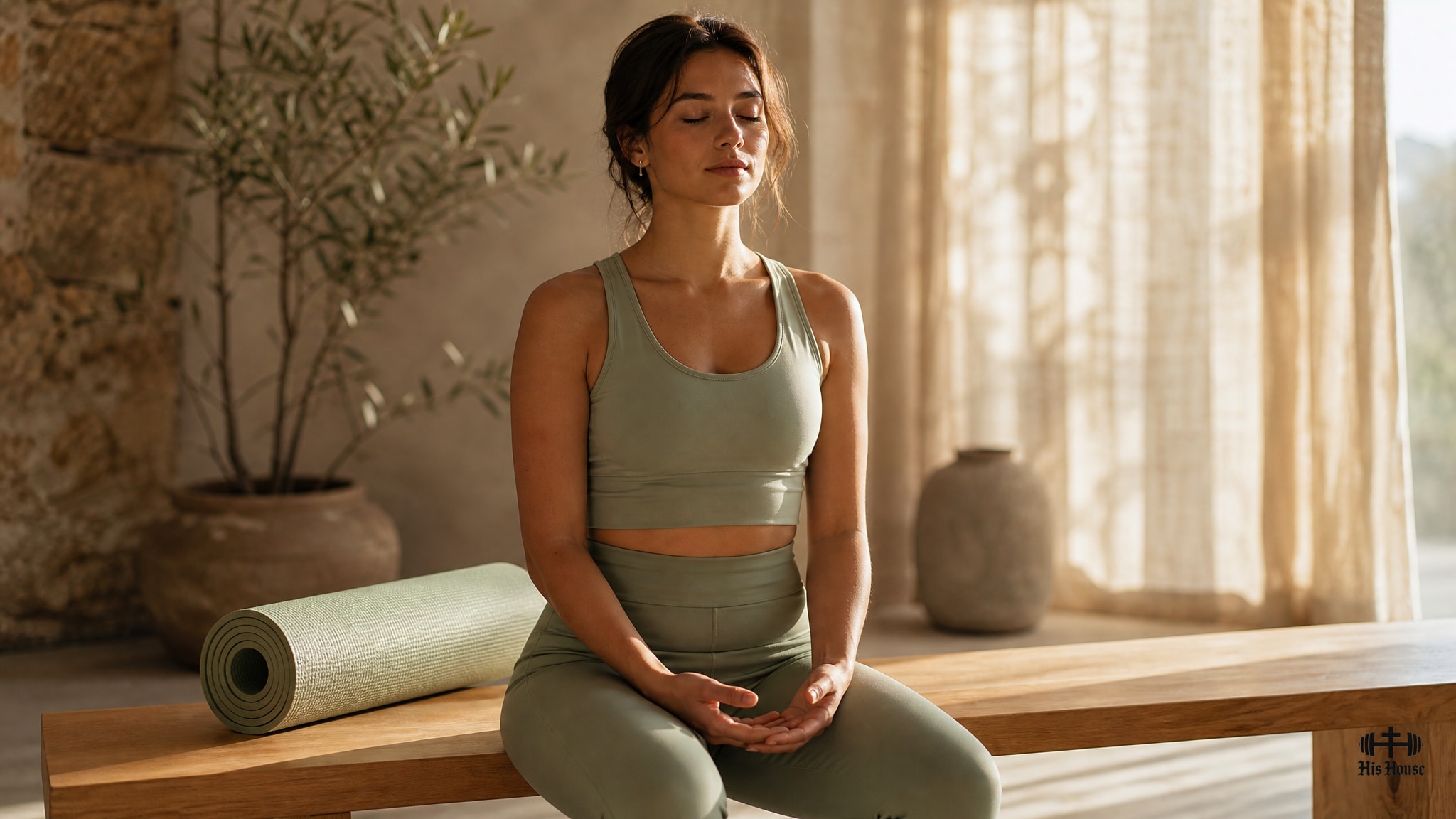
Gym culture glorifies the grind. But your body and spirit need real pauses to thrive. We believe honoring God means honoring the limits He built into our bodies, which makes down time a non-negotiable part of faith fitness. Rest is not a failure of discipline. It’s part of how you sustain the whole thing long-term.
The Spiritual Necessity of Rest in Fitness Culture
Rest is often framed as weakness in gym culture, but biblically it is an act of trust that acknowledges God sustains us apart from our labor. You cannot earn salvation through physical performance. Treating recovery as optional suggests you rely on your own strength rather than divine provision. Rest isn’t just a biological necessity here. It’s a theological one, and it protects your heart from idolizing achievement.
Biblical Foundations for Physical Recovery
Scripture establishes rhythms of rest long before sports science caught up. God rested on the seventh day, not because He was weary, but to model a pattern His people are called to follow. When you step away from training to observe Sabbath, or just to recover, you declare that your worth is secure in Christ alone, no matter your athletic output.
Mental Health Benefits of Intentional Pauses
Constant physical exertion without mental and emotional processing gives you diminishing returns in both. Stepping back lets your nervous system reset, so you return to training with clarity instead of compulsion. Your mind needs space to process truth just as much as your muscles need time to repair.
How Athleisure Apparel Supports Faith-Based Down Time
We design our apparel to be worn in moments of stillness as much as in motion, because your identity in Christ doesn’t pause when you leave the gym. Clothing carries meaning beyond its function. It becomes a tangible anchor when the endorphins fade and silence sets in. Wearing something that means something helps bridge the gap between active devotion and quiet restoration.
Wearable Reminders During Rest Days
Wearing a wearable reminder of truth on a rest day walk is a tactile reminder to let go of the anxiety about missed workouts. The fabric against your skin reinforces the message that peace is available even when productivity stops. These garments speak truth over your life when the internal narrative defaults to guilt or inadequacy.
Transitioning from Gym to Quiet Time
Changing clothes can signal a psychological shift. Keeping faith-centered athleisure on instead maintains continuity between effort and ease. You don’t have to shed your identity along with your sweat-soaked gear after a hard session. Versatile pieces let you move from lifting weights to reading Scripture without feeling like you’ve entered a different spiritual zone.
Recognizing Burnout Through a Christian Lens
Burnout is rarely just physical exhaustion. Often it’s a spiritual warning sign that your worth has gotten tethered to performance metrics. Fatigue that persists despite enough sleep usually points to priorities that need realigning with God’s design for stewardship. Ignore these signals and you treat the body as a machine to exploit rather than a temple to honor.
This isn’t an excuse for laziness or a pass on the discipline of training. It’s about the point where genuine fatigue meets spiritual pride, and telling the difference between healthy limitation and sinful avoidance. True rest requires honesty about capacity, the kind that constant striving hides from you.
Irritability, dread of workouts, and spiritual dryness are concrete signs your current rhythm has no grace left in it. When motivation turns into obsession, the pursuit of fitness starts competing with the pursuit of holiness.
Practical Rhythms for Integrating Rest and Training
Rest doesn’t happen on its own. Culture always pushes toward more, so integrating rest takes deliberate planning. You have to schedule recovery with the same seriousness you give to programming lifts or conditioning work. Treat down time as an appointment, not an afterthought, and it stops getting eaten by whatever feels urgent that day.
Scheduling Mandatory Stillness
Block out non-negotiable rest periods alongside your training blocks, so recovery happens by design instead of by accident. Calendar these windows as commitments, sacred ones, that honor both biological reality and spiritual conviction. Consistency in rest builds resilience just as effectively as consistency in exertion.
Community Accountability for Rest
Isolation makes it easy to ignore warning signs. Shared rhythms protect against overtraining because someone else is watching. Couples bonding through shared rhythms builds mutual accountability that validates rest as a legitimate discipline. A partner can speak truth when your own self-assessment gets clouded by ambition or insecurity.
Choosing Apparel That Reflects Your Values Year-Round
Versatile Christian gym apparel works for active training and reflective downtime alike, without compromising modesty or message. Quality construction matters, because clothes meant for daily wear have to survive repeated washing and still look and hold together right. Fast fashion trends fade quickly. Clothing rooted in purpose stays relevant across seasons.
Supporting brands with a mission beyond fashion puts your money where your values are. Every dollar goes toward either disposable consumption or intentional stewardship. Your wardrobe becomes a curated expression of belief, not a pile of purchases driven by marketing cycles.
Meaningful apparel keeps eternal truths visible during the mundane moments, which reinforces identity beyond performance. When you choose garments that proclaim faith over fear or grace over grinding, you dress your body in reminders that outlast any personal record. Wearing truth daily shapes how you see yourself when the mirrors and the metrics go quiet.
Stewardship Over Striving: A New Metric for Success
Shifting focus from personal records to holistic stewardship redefines what progress actually looks like for believers. Faith fitness workout best practices lay the groundwork for training as worship instead of self-glorification. Success gets measured by faithfulness over decades, not peak performance in a single moment.
Redefining Progress Beyond PRs
Chasing numbers alone eventually disappoints you, because bodies change and capacities fluctuate over time. True advancement includes growing in patience, humility, and gratitude through every season of physical ability. Celebrating consistency over intensity honors the Giver more than any temporary achievement does.
Long-Term Health as Worship
Sustaining mental resilience and physical capability enables lifelong service, the kind short-term burnout forecloses. Viewing longevity as worship reframes recovery decisions as acts of devotion rather than concessions to weakness. Your future self will thank you for choices made today that prioritize enduring health over immediate validation.
Living Out Faith in Every Season of Fitness
Belief, movement, and rest form one continuous lifestyle, not compartments competing for your attention. Honoring God includes honoring the limits He designed into our bodies as features of creation, not flaws to overcome. That’s what turns fitness from a hobby into an embodied expression of discipleship.
Your journey holds seasons of high intensity and seasons of necessary withdrawal, and each carries its own spiritual lesson. Embracing both keeps you from the false choice that elevates activity above stillness, or the other way around.
Browse our collection as you plan your next rest day. Wear something that means something, whether you’re setting a new personal best or sitting in deliberate stillness.
Leave a Reply