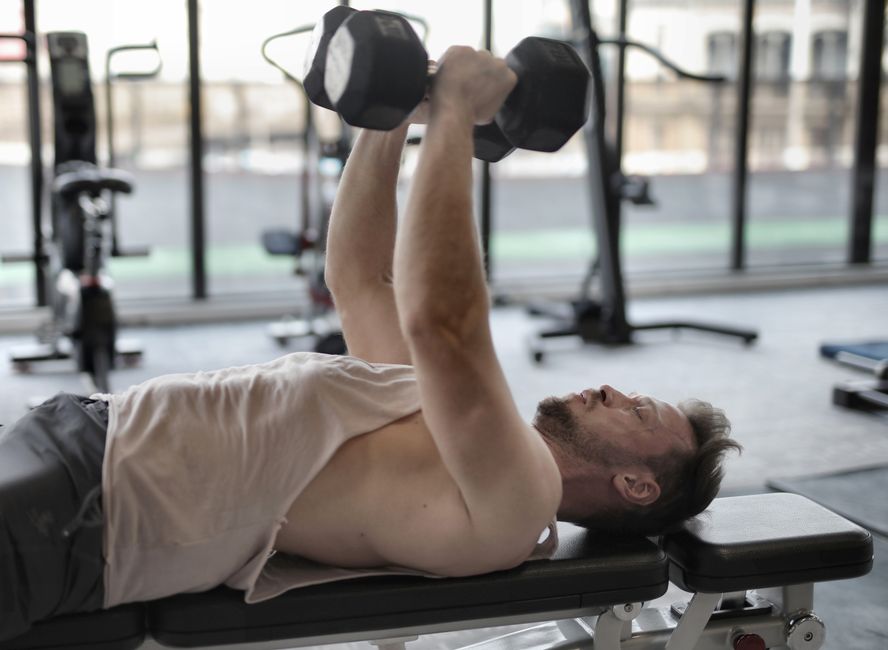
If you have ever stood in the middle of a gym floor, phone in hand, scrolling through workout apps while a free Zumba class kicks off in the next room and a treadmill beeps impatiently behind you, you already know the modern dilemma. Fitness in 2026 is not a single decision. It is a landscape of memberships starting at $15 a month, premium tiers at $24.99, app subscriptions hovering around $10, and free city programs like Shape Up NYC offering everything from yoga to Pilates in all five boroughs. The sheer number of options can freeze a person into doing nothing at all. This guide exists to thaw that freeze. By the time you finish reading, you will understand why the most effective approach to fitness has never been about choosing between strength training and cardio. It has always been about learning how to let them work together.
Table of Contents
- What Does “Fitness” Actually Mean in 2026?
- The Two Pillars of Complete Fitness: Cardio vs. Strength
- How to Combine Cardio and Strength for Maximum Results
- Common Fitness Mistakes to Avoid in 2026
- Frequently Asked Questions About Fitness
- Start Your Fitness Journey Today
What Does “Fitness” Actually Mean in 2026?
Ask a search engine what fitness means and you will get something about performing daily tasks without becoming tired and having energy left over for leisure. That definition is accurate, but it is also incomplete. It describes a baseline. It does not describe a goal.

In 2026, fitness is better understood as a composite state. It includes cardiovascular endurance, the kind that lets you climb stairs without losing your breath. It includes muscular strength, the kind that lets you carry groceries, lift a child, or move furniture without risking injury. It includes flexibility, the often-ignored component that keeps your joints healthy and your range of motion intact as you age. And it includes mental resilience, the discipline and stress relief that regular movement provides. No single activity delivers all four. A runner with no strength work is leaving bone density and metabolic health on the table. A lifter who never does cardio is neglecting the engine that powers every rep. True fitness is the intersection, and finding that intersection requires a clear-eyed look at what each pillar actually does for you.
The Two Pillars of Complete Fitness: Cardio vs. Strength
The fitness industry has spent decades trying to make you pick a side. Cardio burns more calories during the session, so it must be better for weight loss. Strength training builds muscle, so it must be for people who want to get big. Both of those statements contain a grain of truth wrapped in a thick layer of misunderstanding. Here is what each pillar actually contributes when you strip away the marketing.
Why Cardio (Aerobic Exercise) Is Non-Negotiable
Cardiovascular exercise strengthens your heart. That is its primary job, and it does it remarkably well. A consistent cardio routine lowers your resting heart rate, improves circulation, and increases your stamina for everything from walking the dog to playing with your kids. The calorie burn during a cardio session is real and measurable, which makes it a useful tool for weight management. But the benefits do not stop at the physical.
The mental health effects of aerobic exercise are among the most well-documented in all of medical literature. A 20-minute run or brisk walk can reduce anxiety, elevate mood, and improve sleep quality that same night. The so-called runner’s high is not a myth. It is a neurochemical response to sustained rhythmic movement, and you do not need to be a marathoner to access it.

Cardio is also the most accessible entry point into fitness. You can walk out your front door right now and do it for free. If you live in a city like New York, free programs like Shape Up NYC offer instructor-led aerobics classes in recreation centers across all five boroughs. If you prefer a gym environment, a basic Planet Fitness membership at $15 a month gives you access to rows of treadmills, ellipticals, and stationary bikes. The barrier to entry is nearly zero. The mistake people make is assuming that because cardio is accessible and effective, it is sufficient on its own. It is not.
Why Strength Training (Resistance Exercise) Is the Secret Weapon
If cardio is the engine, strength training is the chassis. It gives your body structure, durability, and shape. The most important benefit of resistance exercise is one that does not get discussed enough in beginner fitness content: it builds and preserves lean muscle mass, which directly increases your resting metabolic rate. Muscle is metabolically expensive tissue. Your body burns more calories maintaining a pound of muscle than it does maintaining a pound of fat, even when you are sitting completely still. That means strength training turns your body into a more efficient calorie-burning machine around the clock, not just during the workout itself.
Bone density is another critical factor, especially for women and older adults. Resistance training stresses bones in a controlled way that signals the body to reinforce them, reducing the risk of osteoporosis and fractures later in life. This is a long-term health investment that cardio alone cannot match. Strength training also improves joint stability and balance, which translates directly into injury prevention during everyday activities.
The practical side of strength training in 2026 is more approachable than ever. You do not need a barbell and a power rack to get started. Bodyweight exercises like squats, push-ups, and lunges are highly effective for beginners. Resistance bands cost less than $30 and travel anywhere. If you do join a gym, the environment matters. Planet Fitness has built its brand around the Judgment Free Zone concept, explicitly positioning itself as a non-intimidating space for people who have never touched a dumbbell. That matters because the biggest barrier to strength training is not physical. It is psychological. Walking into a weight room for the first time can feel like entering a secret society with unwritten rules. The truth is simpler: lifting weights is for everyone, and the health returns far outweigh the initial discomfort.
How to Combine Cardio and Strength for Maximum Results
Knowing that both pillars matter is one thing. Knowing how to arrange them in a real week, with a real schedule and real energy levels, is another. The good news is that you do not need a complicated program to see results. You need a framework that prioritizes consistency over perfection.
The 80/20 Rule for Beginners
If you are brand new to structured exercise or returning after a long break, spend 80 percent of your mental energy on simply showing up and 20 percent on the specifics of what you do when you get there. The most elegantly designed workout split in the world is worthless if you quit after three weeks. A simple routine that you can sustain for six months will change your body and your health in ways you can measure.
Here is a sample week that balances strength and cardio without demanding hours of your time:
Monday: Full-body strength training, 30 minutes. Focus on compound movements that work multiple muscle groups: squats, push-ups, rows, and lunges. Use bodyweight, resistance bands, or machines depending on your access.
Tuesday: Cardio, 20 to 30 minutes. Walk, jog, cycle, or take an aerobics class. Keep the intensity moderate. You should be able to hold a conversation.
Wednesday: Rest or active recovery. Stretch for 10 minutes. Go for a leisurely walk. Let your body repair.
Thursday: Full-body strength training, 30 minutes. Repeat Monday’s structure or vary the exercises slightly.
Friday: Cardio, 20 to 30 minutes. Try a different modality than Tuesday. If you walked, try a bike. If you cycled, try a Zumba class.
Saturday and Sunday: Choose a fun activity. Hike, swim, play a sport, or join a free community class. The goal is to move your body in a way that does not feel like a workout.
This schedule hits four structured sessions per week with built-in flexibility on the weekends. It is not glamorous, but it works.
The “Hybrid” Workout: When to Do Both in One Session
Some weeks, four separate sessions are not realistic. When time is tight, you can combine strength and cardio into a single 30-to-45-minute block. The key is sequencing. Lift weights first, when your energy and focus are highest. Proper form during resistance exercises is non-negotiable for safety and effectiveness, and you compromise that form when you are already fatigued from cardio. After 20 to 25 minutes of strength work, finish with 15 to 20 minutes of cardio. This order also has a metabolic logic: strength training depletes your muscles’ glycogen stores, which means your body shifts toward burning fat for fuel during the cardio portion that follows.
How to Choose Your “Home Base” (Gym vs. App vs. Free)
Your environment shapes your consistency. Before you commit to a membership or subscription, ask yourself three questions. Do I need equipment to do the workouts I want? Do I need coaching or guided instruction? Do I need the social accountability of a class or a dedicated space?
A gym membership, like the Planet Fitness Classic tier at $15 a month or the Black Card at $24.99, gives you access to machines, free weights, and a physical separation between home and exercise. That separation is psychologically powerful. Walking through the doors signals to your brain that it is time to work. Apps like Apple Fitness, which costs roughly $10 a month and integrates directly with the Apple Watch’s Activity rings and Training Load metrics, offer convenience and data-driven guidance. You can work out in your living room with a library of on-demand sessions. Free community programs like Shape Up NYC and BeFitNYC remove the financial barrier entirely while adding a social dimension that apps and solo gym sessions cannot replicate. There is no universally correct answer. The best home base is the one you will actually use.
Common Fitness Mistakes to Avoid in 2026
The first mistake is the most pervasive: doing only cardio. It is tempting because the calorie burn is visible on the machine’s display, and the sweat feels like proof of effort. But a cardio-only routine leads to muscle loss over time, which lowers your resting metabolism and makes weight management progressively harder. You need resistance training to preserve and build the muscle that keeps your metabolic engine running.
The second mistake is ignoring recovery. Rest days are not lazy days. They are the days when your muscles repair the micro-tears caused by training and grow back stronger. Overtraining leads to fatigue, irritability, poor sleep, and eventually injury. If you feel guilty resting, reframe it: recovery is part of the program, not a deviation from it.
The third mistake is chasing the best program instead of building the best habit. The High School Summer Pass from Planet Fitness, which offers free gym access to teens ages 14 through 19 through August 31, is a fantastic initiative. But it only works for the people who show up. The same is true of any membership, app, or class. Consistency beats optimization every time.
The fourth mistake is forgetting that fitness and nutrition are inseparable. You cannot out-train a poor diet. No amount of cardio or strength work will compensate for chronic under-fueling or overconsumption of processed food. This is a gap in much of the current fitness content online, which treats exercise and eating as separate conversations. They are not. Your body needs adequate protein to rebuild muscle, adequate carbohydrates to fuel performance, and adequate hydration to function. A stainless steel water bottle that travels with you throughout the day is a simple tool, but it represents a larger truth: what you consume between workouts determines what you get out of them.
Frequently Asked Questions About Fitness
What is the definition of fitness?
Fitness is the ability to perform daily tasks with ease, without becoming excessively tired, and with enough energy left over to enjoy leisure activities. In practice, that means having the cardiovascular endurance to handle sustained activity, the muscular strength to lift and carry what life demands, the flexibility to move without pain, and the mental resilience to stay consistent.
Is it better to work out in the morning or at night?
The best time to work out is the time you will actually do it consistently. Morning exercisers often benefit from fewer scheduling conflicts. Evening exercisers sometimes perform better because body temperature and hormone levels peak later in the day. Neither advantage matters if you skip the session. Pick a time and protect it.
How many days a week should I work out?
For general health, aim for three to four days per week. That provides enough stimulus to improve cardiovascular fitness and build strength while leaving room for recovery. If you have more advanced goals, five to six days can work, but only if you manage intensity and sleep carefully.
Do I need a gym membership to get fit?
No. Bodyweight exercises, free fitness apps, and community classes like those offered through Shape Up NYC are highly effective. A gym membership provides equipment and environment, but it is not a prerequisite for improved health.
How long does it take to see results?
Noticeable changes in energy levels, mood, and sleep quality often appear within two to four weeks of consistent exercise. Visible changes in body composition, such as increased muscle definition or fat loss, typically take eight to twelve weeks with regular training and sound nutrition. Patience is part of the process.
Start Your Fitness Journey Today
Do not wait for the perfect plan. It does not exist. Pick one thing from this guide, a strength session, a cardio session, or a free class in your area, and put it on your calendar for tomorrow. Then show up. Fitness is not a 30-day challenge or a 12-week transformation program, though those can be useful on-ramps. It is a lifelong practice of honoring your body by giving it both strength and stamina. Start where you are, use what you have, and let the consistency compound.
Leave a Reply